Thinking about buying land in Greene County around Cementon? You are not alone. The Catskills draw lifestyle and recreation buyers, farmers, and investors, and the market can feel complex if you are new to rural parcels. In this guide, you will learn how different land types affect value, what really drives price per acre, how to read listings, and the due diligence steps that help you buy with confidence. Let’s dive in.
Land types you will see in Greene County
Recreational and forestland
These are wooded tracts with varying topography and limited utilities. Buyers often prioritize privacy, trails, hunting access, and cell or internet options. Check road maintenance and emergency access, especially if you plan to visit in winter. Be aware of stream and wetland protections managed by state and federal agencies.
Agricultural land, cropland, and pasture
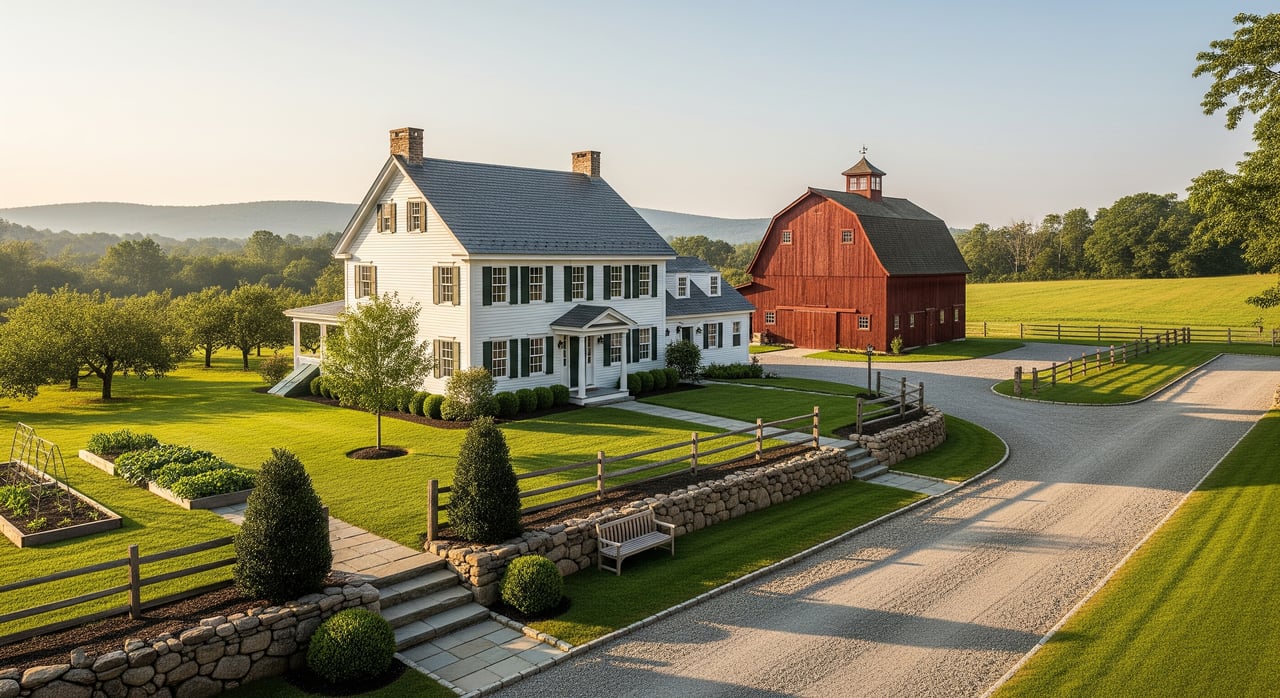
You will find these in valley bottoms and gentler terrain, sometimes with barns or old fields. Soil quality, drainage, and water access matter for farming or gardens. Confirm septic setbacks and ask about any agricultural exemptions or participation in programs. If conservation easements are present, understand what they allow and restrict.
Timberland and working forests
Some larger tracts are held for timber value. You will want to know species mix, merchantable volume, and how harvestable the site is based on slope and access. A forester’s assessment can clarify current and future timber value. Review harvesting rules and best practices recommended by the state before planning any work.
Buildable residential lots and lifestyle parcels
These smaller parcels, often 1 to 10 acres, may advertise “buildable” or “perc tested.” Verify septic feasibility, well options, zoning setbacks, and driveway or culvert permits. Utilities at the road and frontage on a maintained public road usually increase value. Proximity to services and commuting routes is a plus for year-round use.
Waterfront and riparian parcels
River, creek, or pond frontage can command a premium. Balance the appeal with flood risk review and shoreline protections. Check whether flood insurance may be required and confirm any elevation certifications. If the property is in a watershed or floodplain, expect stricter rules.
Parcels in or near the NYC Watershed
Parts of Greene County fall within the NYC Catskill and Delaware Watershed. Parcels there can have extra review processes and location limits for structures, forestry, or agricultural practices. Confirm watershed status early and understand the rules before you buy. A little homework up front can save time and cost later.
What really drives price per acre near the Catskills
- Location and access to amenities. Proximity to ski areas, the Hudson River, towns, and major routes like I-87 and Route 23 tends to push demand and pricing. Shorter drives to Albany, Kingston, and NYC also matter to many buyers.
- Buildability and utilities. Parcels with proven septic capacity, road frontage on a maintained public road, and nearby electric and internet usually command higher per-acre prices.
- Topography and usable acres. Steep slopes, ravines, or wetlands reduce usable acreage. Bench sites or flatter valley land are worth more per usable acre.
- Parcel size and subdivision potential. Smaller lots near hamlets can see higher per-acre costs. Very large tracts often have a lower per-acre number but a higher total price.
- Legal or regulatory constraints. Conservation easements, watershed restrictions, and strict zoning lower development potential and typically reduce price. Fewer restrictions and subdivision options can increase value.
- Access and maintenance. Deeded, year-round access and town-maintained roads are a plus. Long private driveways or right-of-ways with shared maintenance can weigh on value.
- Market demand trends. Lifestyle and recreation demand from NYC-area buyers continues to influence pricing, especially near ski areas, riverfronts, and amenity-rich towns. Supply is limited and seasonality affects showings.
- Income potential. Merchantable timber and productive soils add value, but require professional appraisal. Short-term harvest revenue rarely offsets purchase price on its own.
- Views, privacy, and recreation. Ridgeline views, fall foliage vistas, or proximity to trails and parks can support premiums.
Why “price per acre” can mislead
Sellers often quote total acres. You should look at usable or buildable acres. A 20-acre parcel with 3 strong building sites and good access may be worth more to you than a 30-acre tract that is mostly steep or wet. Focus your analysis on how you will use the land.
How to read Greene County land listings
- “Acreage” vs. “usable acreage.” Ask how much is buildable, field, or bench, and how much is steep, stream, or wetland.
- “Right-of-way” or “deeded access.” Confirm legal, recorded access and who maintains the road. Request deed language.
- “Perc tested” or “septic permit issued.” A perc test is helpful, but a current permit is stronger. Make sure the design supports your planned bedroom count.
- “Surveyed.” If surveyed, request the recorded plat. If not, budget for a survey and expect boundary confirmation.
- “Shared driveway” or “private road.” Clarify maintenance agreements, any HOA or shared costs, and winter plowing plans.
- “Floodplain” or “FEMA flood zone.” If water is nearby, check the maps and potential insurance needs.
- “Conservation easement” or “protected land.” Get the easement document and map to confirm what is allowed.
- “Mineral rights retained.” Ask whether rights were severed and whether extraction is possible under local rules.
- “Watershed restrictions.” If in the NYC watershed, expect additional reviews for development.
Quick checklist before touring
- Is there a recorded survey and are boundaries marked?
- How is access described in the deed: public road, private road, or ROW?
- Are electric, internet, and potable water near the road?
- Has a perc test been done? Is there an approved septic design or permit?
- Any mapped wetlands, streams, or FEMA flood zones on the parcel?
- Any conservation easements, watershed rules, or town zoning limits?
- Who maintains the road and what are winter access conditions?
- Are timber or mineral rights intact? Any recent timber harvests?
- What is the current assessed value and tax class? Any ag exemptions?
- Any liens, violations, or code enforcement actions?
- How much of the acreage is realistically usable?
- What are neighboring land uses?
- If listed as “recreational,” is there year-round access to build?
Due diligence roadmap for Greene County buyers
- Preliminary review. Obtain the deed and tax map and read all listing documents.
- Conservation and watershed check. Confirm if the parcel falls in the NYC watershed and whether any conservation easements apply.
- Floodplain and wetlands screen. Review FEMA flood maps and look up state-mapped streams and wetlands.
- Soils and perc evaluation. Request prior tests and hire a licensed soil evaluator if needed.
- Boundary survey. Order a survey if corners are unclear or the prior survey is outdated.
- Title review. Search for easements, ROWs, covenants, liens, mineral rights, and back taxes.
- Utilities and permits. Call the town building and zoning departments for setbacks, driveway or culvert permits, and process. Confirm electric, phone, and internet availability and costs.
- Environmental review. If near industrial or landfill sites, consider an environmental assessment. Larger projects may need habitat or species checks.
- Forestry assessment. If timber value matters, obtain a forester’s visit and a management plan. For tax programs like New York’s 480-a, confirm current rules and eligibility.
- Closing details. Understand private road agreements, well and septic disclosures, and your obligations for improvements.
Typical costs to budget
- Boundary survey for small lots to larger acreage often ranges from several hundred dollars to several thousand dollars, depending on complexity and size.
- Perc test or soil evaluation can range from a few hundred dollars to the low thousands, based on the number of test sites.
- Septic design and permits may range from a few thousand dollars to over ten thousand dollars for complex or steep sites.
- Driveway permits are modest, but construction can range from several thousand dollars to tens of thousands, depending on length and ditching.
- Title insurance, closing costs, and recording fees vary by purchase price and lender.
- Timber appraisals start with a modest fee for a forester’s visit. Full timber cruises cost more for large tracts.
- Ongoing costs include property taxes, any special district assessments, and private road maintenance or association dues.
Special rules near water and watershed areas
Waterfront and watershed parcels require extra attention. For flood risk and insurance questions, check the FEMA Flood Map Service Center. For wetlands, mapped streams, and forestry guidance, consult the New York State Department of Environmental Conservation. If a parcel is inside the Catskill or Delaware Watershed, review rules and maps with the NYC Department of Environmental Protection before you proceed. For soils and septic suitability, the USDA Web Soil Survey is a useful planning tool.
Cementon and river hamlets: practical notes
Cementon sits near the Hudson River and key travel routes, which can be attractive for access and amenities. River-adjacent areas require careful floodplain review, so make that one of your first checks. If you plan to build in the hills above the valley, think about winter access, road grades, and snow management on unpaved roads. Seasonality affects both showing conditions and contractor schedules, so plan inspections and site visits accordingly.
Work with a rural land specialist
Buying land is different from buying a house. You will weigh soils, slopes, access, regulations, and utilities, and each factor affects value. A local, rural-focused agent can help you interpret listings, plan due diligence, and coordinate the right experts at the right time. If you are considering a parcel in Cementon or anywhere in Greene County, reach out to Elizabeth Ellers for pragmatic, step-by-step guidance from first tour to closing.
FAQs
What makes a Greene County parcel “buildable”?
- Confirm septic feasibility, well options, legal year-round access, and compliance with town zoning setbacks. A current septic permit and a recorded survey provide strong evidence.
How should I think about price per acre in the Catskills?
- Focus on usable acreage, build sites, and access. Steep slopes, wetlands, and long private roads reduce value, while utilities and maintained public road frontage add value.
What should I check for a waterfront lot in Cementon?
- Review FEMA flood maps, ask about elevation certificates and insurance, confirm shoreline buffer rules, and consider erosion control needs before you plan improvements.
Do right-of-ways or private roads affect value and financing?
- Yes. Lenders and buyers prefer legal, recorded, year-round access. Shared maintenance obligations and winter access challenges can reduce value or add costs.
What is New York’s 480-a forest tax program and does it apply?
- It is a state forest tax program for eligible working forests. If timber value matters, consult a forester and confirm current 480-a rules and enrollment requirements with the state.
When is the best season to tour Catskills land?
- Spring and summer offer easier access and visibility, but winter reveals true access and drainage. Plan at least one visit in wet or snowy conditions to test roads and site conditions.