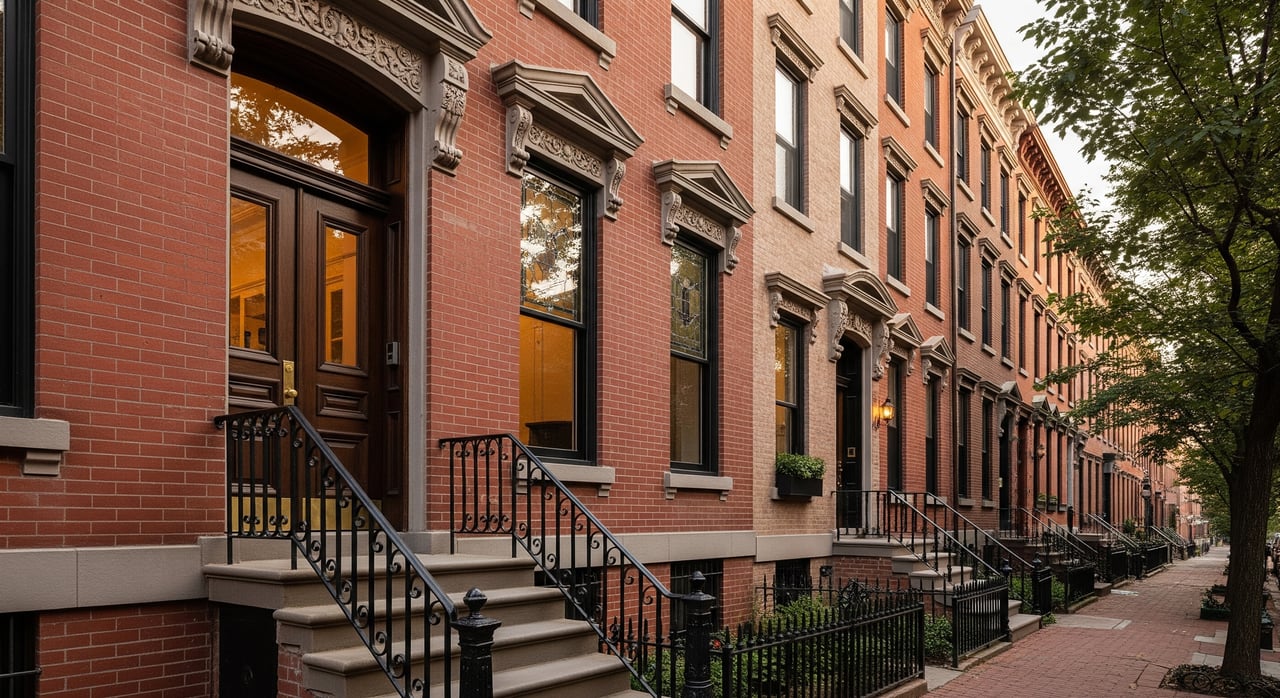
Do you picture brick stoops, tall windows, and sunlight pouring across original wood floors? If Troy’s historic rowhouses call to you, you also want the full story on maintenance, parking, and daily life. You deserve clear, practical guidance so you can decide with confidence. This guide walks you through what these homes look like, how they live day to day, what to expect with repairs and permits, and whether this lifestyle fits your goals. Let’s dive in.
What Troy rowhouses look like
Architecture and interiors
Troy’s historic rowhouses span early to late 19th‑century styles. You’ll see Federal and Greek Revival fronts, Italianate cornices, and later Victorian details. Brick masonry with brownstone trim is common, along with tall window openings, transom lights, and decorative cast‑iron or carved wood accents.
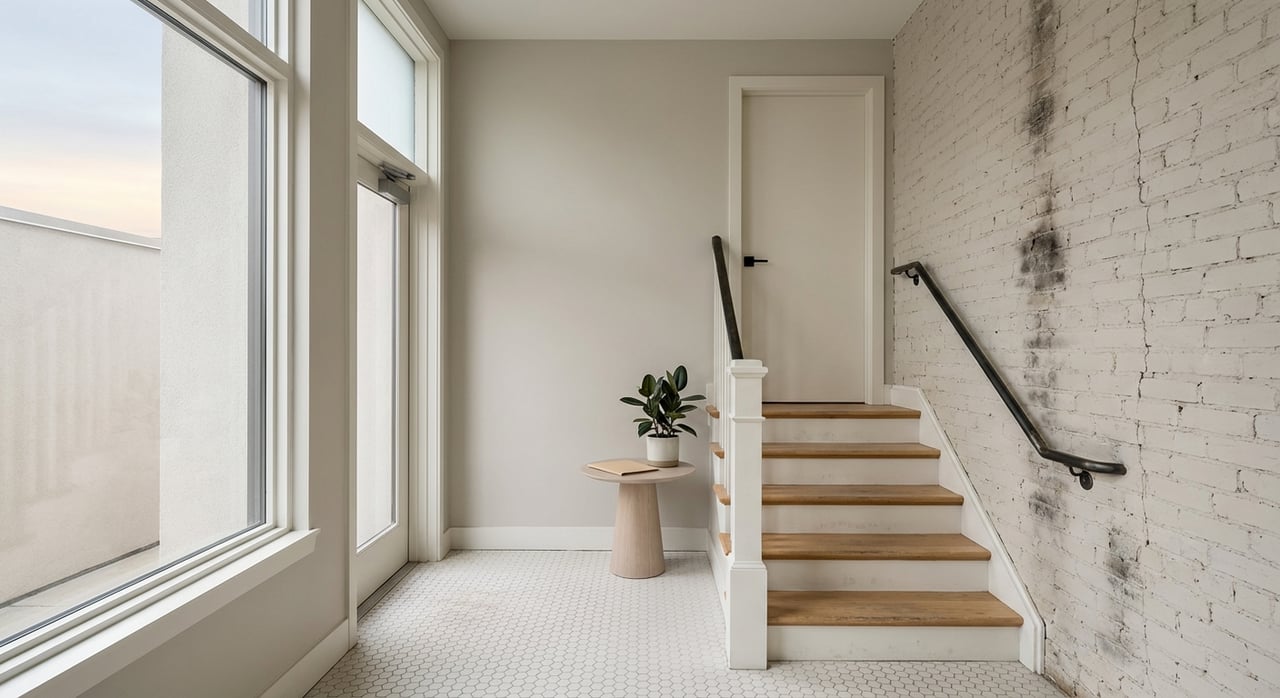
Inside, you often get tall ceilings, narrow yet elegant floor plates, and stacked rooms. Many homes retain original woodwork, plaster walls, pocket doors, and classic staircases. Expect character, vertical living, and rooms that feel graceful but not oversized.
Streetscape and daily scene
These homes cluster in and around downtown and the riverfront historic districts. Streets are walkable, with mixed‑use storefronts, cafes, galleries, and civic buildings. You’ll find a rhythm of stoops, tree‑lined sidewalks, and cohesive cornices that create a distinct urban feel.
Activity varies by block. You may enjoy easy access to dining on River Street, weekend markets, and seasonal festivals. Some downtown streets see nightlife sounds, while nearby residential side streets tend to be quieter.
Lifestyle and daily logistics
Layout and flow
Rowhouses usually stack living spaces vertically across multiple floors. Kitchens can be smaller than modern suburban homes but benefit from high ceilings and large windows. Finished basements and attics may serve as storage or bonus rooms. The upside is character and natural ventilation; the tradeoff is narrower rooms and stairways that make moving large furniture a bit harder.
Walkability and transit access
If you value walkability, many blocks place dining, shops, and cultural venues within a short stroll. Regional bus routes serve Troy for commuting and errands. The Amtrak station sits across the Hudson River in Rensselaer and is a short drive or bus ride away. Riverfront parks and trails are accessible from some neighborhoods, though proximity varies by block.
Parking realities
Most historic streets were laid out before car ownership was common. On‑street parking can be limited or regulated with meters or permits, especially closer to downtown. Off‑street options like driveways or garages are less common on narrow lots. If guaranteed parking matters to you, it is smart to confirm on‑site or nearby options early and expect tradeoffs on price or location.
Ownership and maintenance essentials
Masonry, roofs, and cornices
Brick façades and brownstone details often need periodic repointing and repairs to block moisture. The goal is to match historic materials and profiles, which calls for experienced masonry contractors. Roofs and cornices may be slate, metal, or wood and require careful maintenance to preserve both performance and appearance. Budget for cyclical repairs rather than only emergency fixes.
Windows and doors
Original wood sash windows add character but can be drafty without upkeep. Simple upgrades like weatherstripping, sash cord repair, and storm windows improve comfort while preserving appearance. Full replacements can affect historic status in some districts. If you want to retain authenticity and efficiency, plan for repair plus storms rather than wholesale replacement.
Systems and potential hazards
Older wiring, aging plumbing, and older heating systems are common. Early upgrades to electrical, plumbing, and HVAC can improve safety and comfort. Lead‑based paint is likely in pre‑1978 homes. If you plan to disturb painted surfaces, use certified practices or licensed abatement. Asbestos may be present in older insulation or floor tiles and should be evaluated by a professional before any renovation.
Comfort and energy upgrades
Historic construction usually lacks modern insulation and has single‑pane windows. Owners often improve comfort through targeted air sealing, attic and basement insulation, and efficient HVAC. Reversible strategies like interior storm windows, condensing boilers, and ductless mini‑splits help performance while respecting historic fabric. You may also need to upgrade electrical service or older utility lines as part of a comprehensive plan.
Rules, permits, and preservation
Many properties fall within local historic districts. Exterior changes visible from the street typically require review by a Historic Preservation Commission. This includes items like façade work, roofing material changes, or porch alterations. You also need standard building permits for structural work or demolition.
Being on the National Register alone does not prohibit changes, but local rules might. Interior renovations are common and usually not restricted by exterior preservation guidelines. To avoid delays, confirm a property’s designation and review process with local preservation staff and the building department before you begin any work.
Costs, financing, and incentives
Routine costs and budgeting
Historic rowhouses can have higher near‑term repair costs than newer construction. Skilled masonry, slate roof repairs, or specialized millwork come at a premium. Plan a reserve for periodic maintenance. A strong first‑year budget often includes exterior repairs, system upgrades, and energy improvements.
Financing and insurance
Most lenders underwrite historic homes normally, with appraisals reflecting condition and comps. Renovation loans like FHA 203(k) or Fannie Mae HomeStyle can bundle purchase and rehab costs. Insurance premiums can be higher if you have older wiring, slate roofs, or unique materials, so obtain quotes early in your escrow period.
Incentives and tax credits
Federal Historic Rehabilitation Tax Credits are available for certified rehabilitation of income‑producing properties, including leased residential units. Incentives for owner‑occupied single‑family homes are limited and depend on local programs that may change over time. Verify current offerings with state preservation offices and local agencies before you count on them in your budget.
Who this lifestyle fits
What you’ll likely love
- Architectural character with brick, brownstone, cornices, and tall ceilings.
- Walkability to dining, shops, riverfront parks, and cultural venues.
- Vertical living that makes the most of light and airflow.
What to think through
- On‑street parking variability and limited off‑street options.
- Narrow rooms and staircases that complicate moving large furniture.
- Ongoing maintenance and selective upgrades to protect the home and improve efficiency.
Smart steps for your search
Use this quick checklist to evaluate fit and reduce surprises:
Confirm historic district status, exterior review rules, and required permits for planned changes.
Study parking on weekdays and weekends, daytime and night. Ask about permit zones and nearby rental options.
Inspect masonry, cornices, and roofs for deferred maintenance. Get estimates from contractors experienced with historic materials.
Test windows and doors. Ask about past repairs, storms, and weatherstripping.
Review electrical panel, wiring type, plumbing materials, and heating system age. Plan upgrades where needed.
Assess for lead paint or asbestos if you anticipate renovations. Budget for professional evaluation and, if necessary, abatement.
Evaluate thermal comfort. Look for attic and basement insulation, air sealing, and efficient HVAC.
Price out insurance early, especially for properties with slate roofs or older systems.
Consider renovation financing if the home needs both purchase and repair dollars.
Walk the block at different times to understand activity, lighting, and noise patterns.
Note proximity to bus routes and your commute to the Rensselaer Amtrak station if you travel often.
If off‑street parking is essential, prioritize listings that include it and be ready for tradeoffs.
Let’s talk next steps
If you are weighing a historic rowhouse lifestyle, you deserve a grounded plan for maintenance, upgrades, and permitting. I help you balance character, budget, and day‑to‑day practicality so you can buy with clarity. Whether you are comparing downtown living to a quieter property nearby, we can map out the best path for your goals. Reach out to Elizabeth Ellers to talk through your wish list and get your free land and home valuation so you can move forward with confidence.
FAQs
Are Troy historic rowhouses energy efficient for year‑round living?
- Yes, with targeted air sealing, insulation in attics and basements, and efficient HVAC; plan for upfront retrofit costs to reach modern comfort.
How does historic district review affect exterior changes in Troy?
- Changes visible from the street usually require design review and permits; confirm rules with local preservation staff before starting work.
What should I know about parking near Troy’s rowhouses?
- On‑street parking is common and can be limited or regulated; verify permit rules, meter hours, and any off‑street options early in your search.
Can I finance renovations as part of my purchase?
- Many buyers use renovation loans such as FHA 203(k) or HomeStyle to combine purchase and rehab funds; availability and terms vary by lender.
Do lead paint and asbestos always require removal?
- Lead paint is common and needs safe practices or abatement if disturbed; asbestos should be evaluated by a professional and abated if friable or impacted by work.
How close are amenities and transit to typical rowhouse blocks in Troy?
- Many are within walking distance of shops and dining, with regional bus routes serving the city; the Amtrak station is across the river in Rensselaer.