Are you eyeing a duplex, triplex, or fourplex in Troy and wondering where to start? You want steady demand, clear numbers, and fewer surprises after closing. In this guide, you’ll learn how to compare Troy neighborhoods, underwrite a small multifamily, spot historic-building risks, and navigate local rules. Let’s dive in.
Why buy small multifamily in Troy
Troy sits within the Capital Region and benefits from steady demand tied to education, downtown amenities, and proximity to Albany. You can find 2–4 unit buildings near campuses, along revitalized corridors, and in historic neighborhoods. Each area has its own rent profile, turnover patterns, and maintenance needs.
Key demand drivers
- RPI anchors rental demand for studios and smaller 1–2 bedroom units near campus. Other institutions also support student and staff rentals.
- Downtown and the River Street corridor offer restaurants, retail, and renovated housing that can command rent premiums.
- Historic districts attract long-term renters who value character, though maintenance can be higher.
- Regional employment and cost-of-living trends across the Albany metro influence cap rates and rent growth expectations.
Who this strategy fits
- House hackers who plan to live in one unit and rent the others while using owner-occupant financing.
- Local investors who want manageable buildings with flexible exit options and residential financing terms.
Compare Troy neighborhoods for 2–4 units
Campus-adjacent and North Troy
Properties within walking distance to RPI tend to see the highest student demand and more seasonal turnovers. You may consider furnished options or summer timing for lease-ups. Budget a higher vacancy allowance to cover short gaps between tenants. Small-unit layouts are common.
Downtown and River Street corridor
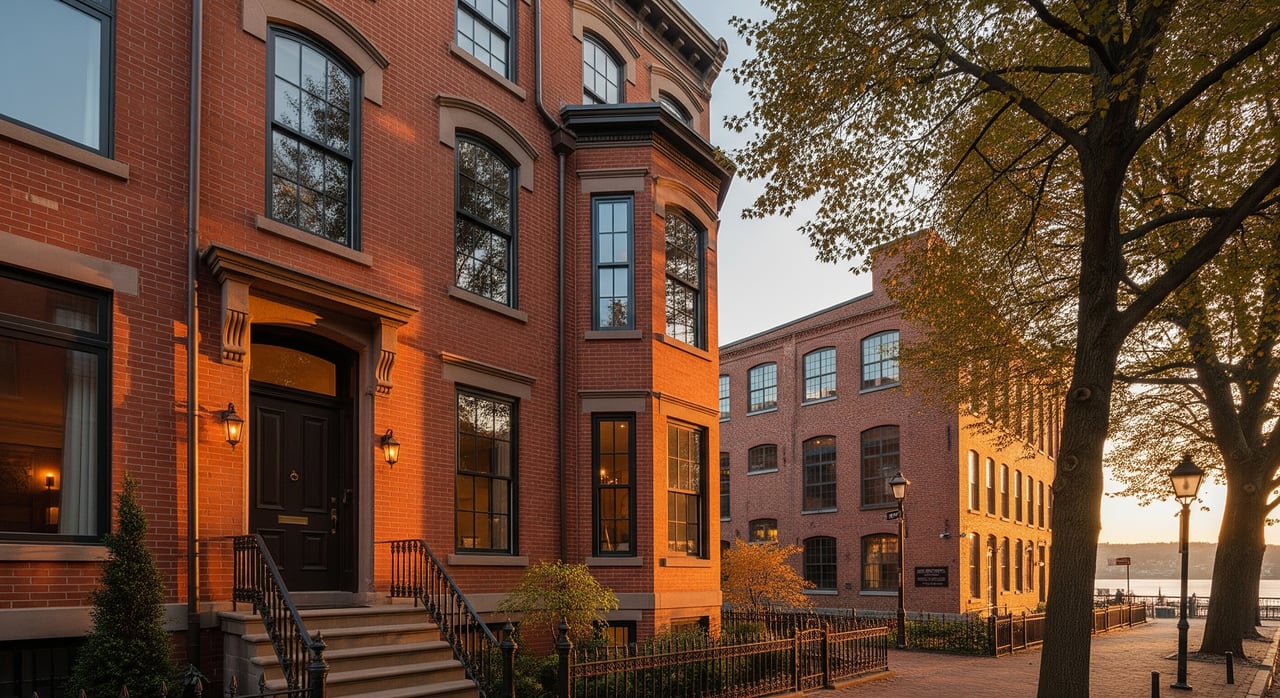
This amenity-rich area has seen revitalization and can support higher rents, especially for renovated 2 bedroom units. Expect interest from young professionals and longer-term renters. Buildings here may have had upper-floor conversions and mixed-use neighbors, so confirm zoning and past permits.
Central historic districts
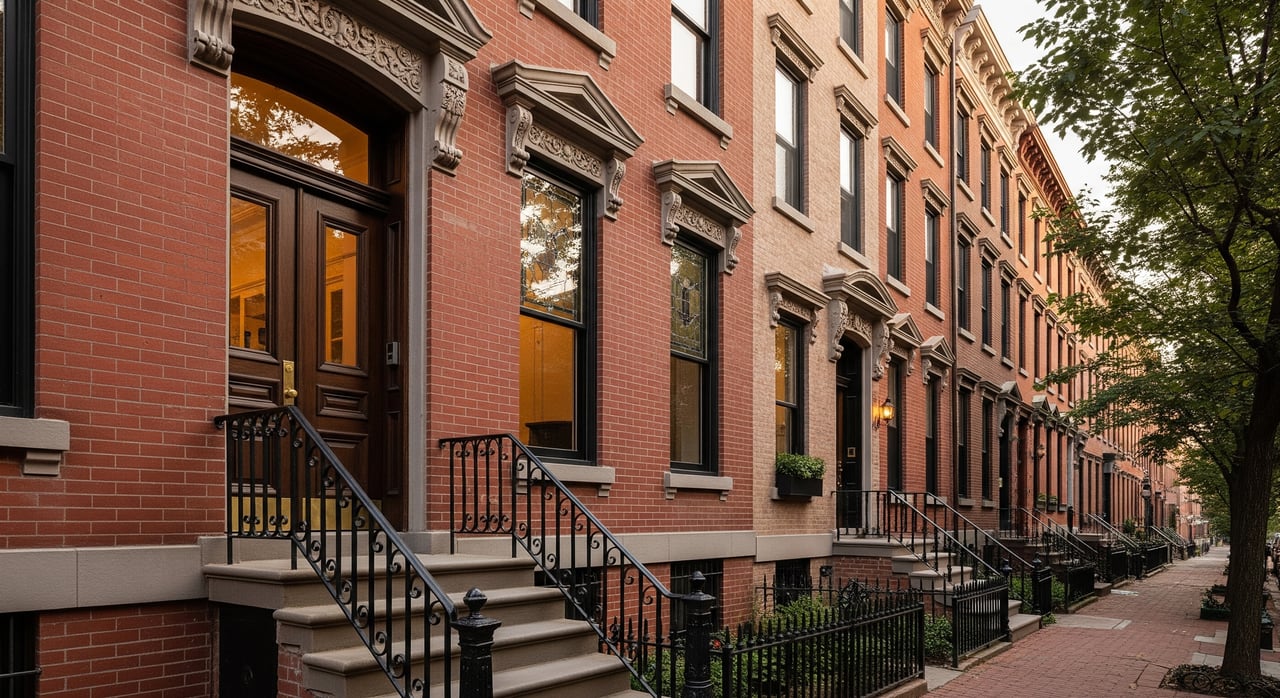
Architecturally desirable blocks can attract stable tenants and offer long-term appreciation potential. These properties often carry higher rehab costs due to masonry, windows, and preservation rules. Plan for larger capital reserves and longer permit timelines if exterior work is needed.
South Troy, Eastside, and residential periphery
Entry prices can be lower in these areas, with more traditional long-term renter profiles. Vacancy risks vary by micro-location, so lean on recent comps and management feedback. Evaluate off-street parking, access to bus lines, and nearby employment nodes.
Underwriting that works in Troy
Build rent comps the right way
Use multiple sources within the last 6–12 months. Compare similar unit sizes and count, renovation level, included utilities, and proximity to campus or downtown. Distinguish student-targeted listings from professional rentals. When possible, verify achieved rents through property managers or recent leases.
Vacancy and expense assumptions
- Budget 8–12% vacancy for student-focused properties, 4–6% for stable professional rentals.
- Itemize taxes, insurance, landlord-paid utilities, routine maintenance, management, turnover costs, and capital reserves.
- For small multifamily with outsourced management, 6–10% of collected rent is a typical range to model.
Core metrics to track
- Gross Potential Rent: total rent at full occupancy.
- Effective Gross Income: GPR minus vacancy and credit loss, plus other income.
- Net Operating Income: EGI minus operating expenses, excluding mortgage payments.
- Cap rate: NOI divided by purchase price, used to compare deals.
- Cash-on-Cash: annual pre-tax cash flow divided by cash invested.
- GRM: purchase price divided by GPR, a simple reasonableness check.
Compare the seller’s implied cap rate to recent local sales of similar buildings. Normalize both rents and expenses to get an effective cap rate for apples-to-apples decisions.
Hypothetical example
This illustration shows how the numbers might look. Adjust for your property.
- Three-unit building with market rents after renovation: $1,000 for a 1 bedroom, $1,200 for a 2 bedroom, $1,200 for a 2 bedroom. GPR equals $3,400 per month or $40,800 per year.
- Vacancy allowance of 6% gives EGI of about $38,352.
- If operating expenses run about 40% of EGI, NOI is about $23,011.
- With a purchase price of $325,000, the implied cap rate is roughly 7.1%.
Use this framework to test different rent, expense, and price scenarios. Combine cap rate with cash-on-cash and renovation plans for a full picture.
Financing 1–4 unit properties
Owner-occupant options
Conventional loans for up to 4 units offer favorable rates when you live in one unit. FHA financing can allow a lower down payment for owner-occupants, and FHA 203(k) can wrap renovations into the loan with more documentation. Fannie Mae and Freddie Mac have guidelines for 1–4 unit owner-occupant financing.
Investor and rehab options
Portfolio loans and local banks can help when property condition does not fit conventional guidelines. Renovation loans, local rehab programs, and hard money are options for heavy work, noting the higher cost of capital. Match the loan to your scope, timeline, and exit plan.
What to inspect in historic Troy buildings
Structure and systems
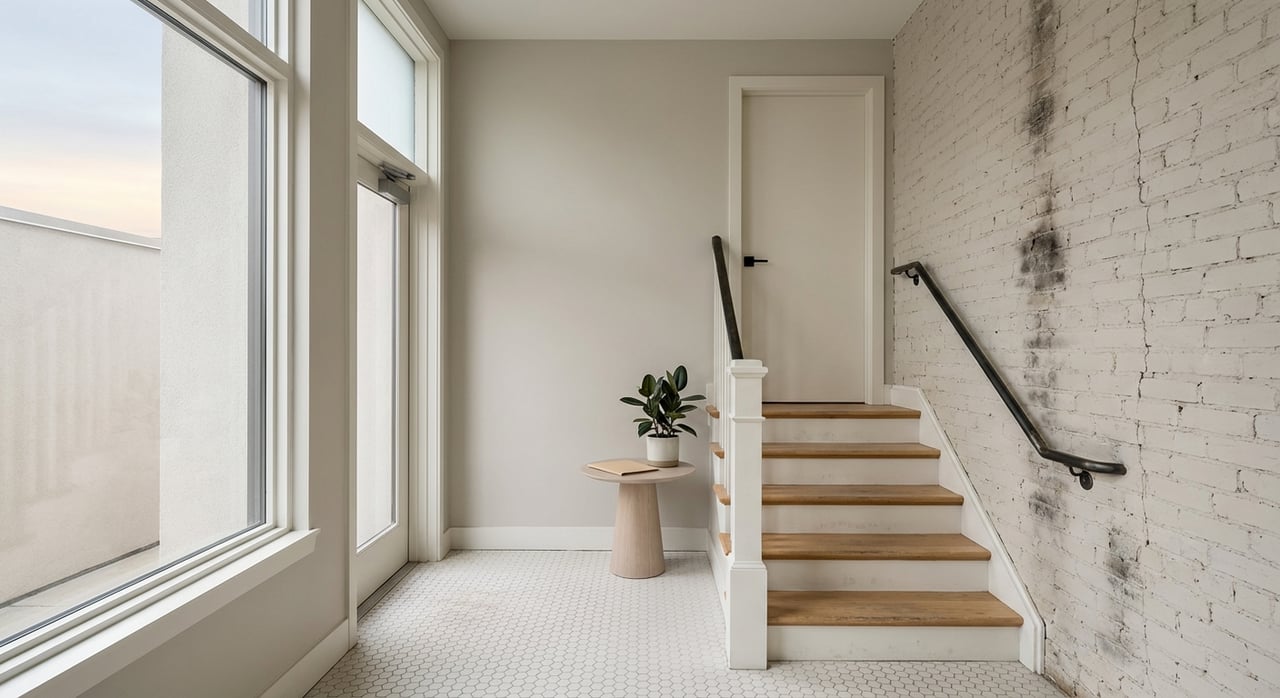
Older brick and masonry structures may show mortar deterioration, efflorescence, or settling. Roofs with complex lines need careful review of flashings, chimneys, and drainage. Look for outdated electrical such as knob-and-tube or undersized service, and older plumbing like galvanized or cast iron. Heating systems may include oil-fired boilers, with possible conversions to gas or efficient systems. Basements can show moisture; watch for mold. Pre-1978 properties may have lead-based paint, and older insulation or boilers can contain asbestos.
Historic district rules and incentives
Many areas of Troy fall within historic districts or include registered buildings. Exterior changes such as windows, doors, or facades may require local preservation review. Restrictions can increase costs and timelines, yet sensitive rehabilitations may qualify for federal or state historic tax credits. Confirm eligibility and process early.
Energy upgrades and incentives
Energy-efficiency improvements such as insulation, HVAC upgrades, or heat pumps can reduce operating costs. Explore New York State programs that support energy audits, rebates, or low-interest financing. If windows are historic, factor in restoration standards and long-term energy savings when choosing a path.
Navigating local rules, taxes, and risk
Zoning, CO, permits, and rental registration
Confirm that the existing unit count and layout are legal for the zoning district. Request the Certificate of Occupancy and check for any open violations. Verify that past renovations were permitted and closed out. Ask the City of Troy if rental registration or periodic inspections apply to your property type.
Property taxes and assessments
Review the City of Troy and Rensselaer County assessment records, tax rates, and history. After significant renovations, assessments can rise, so include tax projections in your pro forma. Check for any property-specific exemptions, abatements, or program incentives in targeted districts.
Insurance and flood risk
Parts of Troy sit near the Hudson River and other waterways. Run a FEMA flood-zone check and price flood coverage if required by your lender. For older buildings, confirm replacement-cost coverage and consider ordinance-or-law coverage if historic or code upgrades would be triggered after a loss.
Tenant laws and disclosures
New York State has strong tenant protections with specific notice and eviction procedures. For pre-1978 buildings, follow federal lead-based paint disclosure rules and any additional state or local requirements related to testing and remediation.
Due diligence checklist
Pre-offer research
- Pull recent sales of similar 2–4 unit properties within the same micro-neighborhood.
- Gather rent comps that match your target tenant base, student or professional.
- Check assessor records for taxes, year built, and permitted use.
- Run a FEMA flood-zone screen for the parcel.
Offer-stage inspections and documents
- Full building inspection covering roof, foundation, systems, and moisture.
- Specialist inspections as indicated: electrical, plumbing, sewer scope, lead, asbestos, and oil tank.
- Request rent roll, leases, utility bills for 12 months, maintenance logs, and capital improvement records.
- Request proof of CO and permit history for major work. Obtain insurance quotes, including flood if applicable.
Underwriting and pro forma
- Use conservative achieved rents rather than only advertised asking.
- Set a vacancy allowance aligned with tenant type and seasonality.
- Line-item taxes, insurance, landlord-paid utilities, repairs, management, legal, and turnover.
- Add a higher capital reserve for historic items like windows, masonry, roofs, and boilers.
- Model your financing terms for owner-occupant versus investor scenarios.
Post-contract through closing
- Confirm transfer of warranties, finalize insurance, and clear any permit or inspection requirements.
- Plan rehab phases to match tenant turnover cycles and minimize downtime.
- For house hackers, confirm owner-occupancy requirements for your loan program.
Next steps
You do not need to figure this out alone. If you want a practical read on neighborhood comps, historic-building risks, and financing paths for a 2–4 unit in Troy, let’s talk. I combine local market insight with hands-on transaction management so you can buy with confidence. Connect with Elizabeth Ellers to get a focused plan for your purchase.
FAQs
Is a duplex near RPI a good house hack in Troy?
- Units close to campus can lease quickly, but expect higher turnover and seasonal lease-ups; budget a higher vacancy allowance and consider furnished options.
What cap rate should I target for a small multifamily in Troy?
- Use cap rate to compare similar buildings by neighborhood and condition, then pair it with cash-on-cash and a realistic rehab plan to decide if returns meet your goals.
How do historic district rules affect renovations in Troy?
- Exterior work like windows or facades may require preservation review, which can add time and cost; plan early and explore potential historic tax credits for qualified work.
Do I need flood insurance for a property in Troy?
- It depends on the parcel’s FEMA flood zone and lender requirements; verify the map, price coverage, and factor premiums into your operating expenses.
What are the owner-occupancy rules for FHA on 2–4 units?
- FHA loans for 1–4 units require you to live in one unit; FHA 203(k) can finance renovations, but expect additional documentation and process steps.