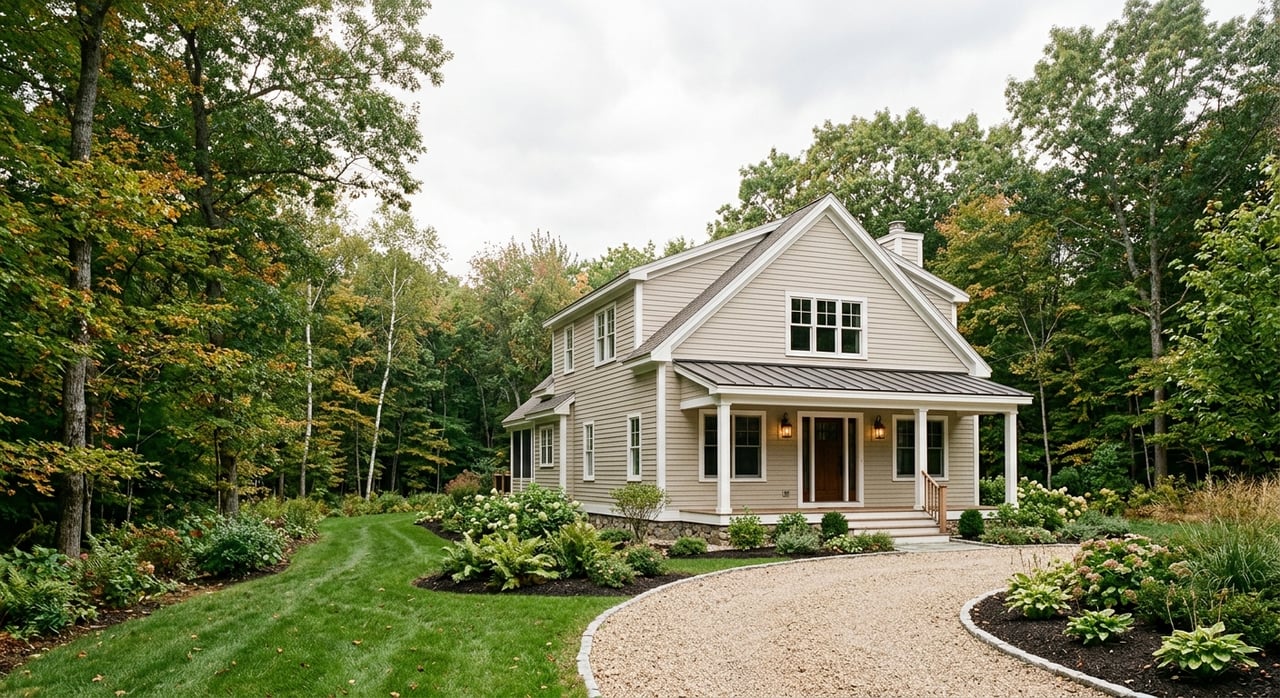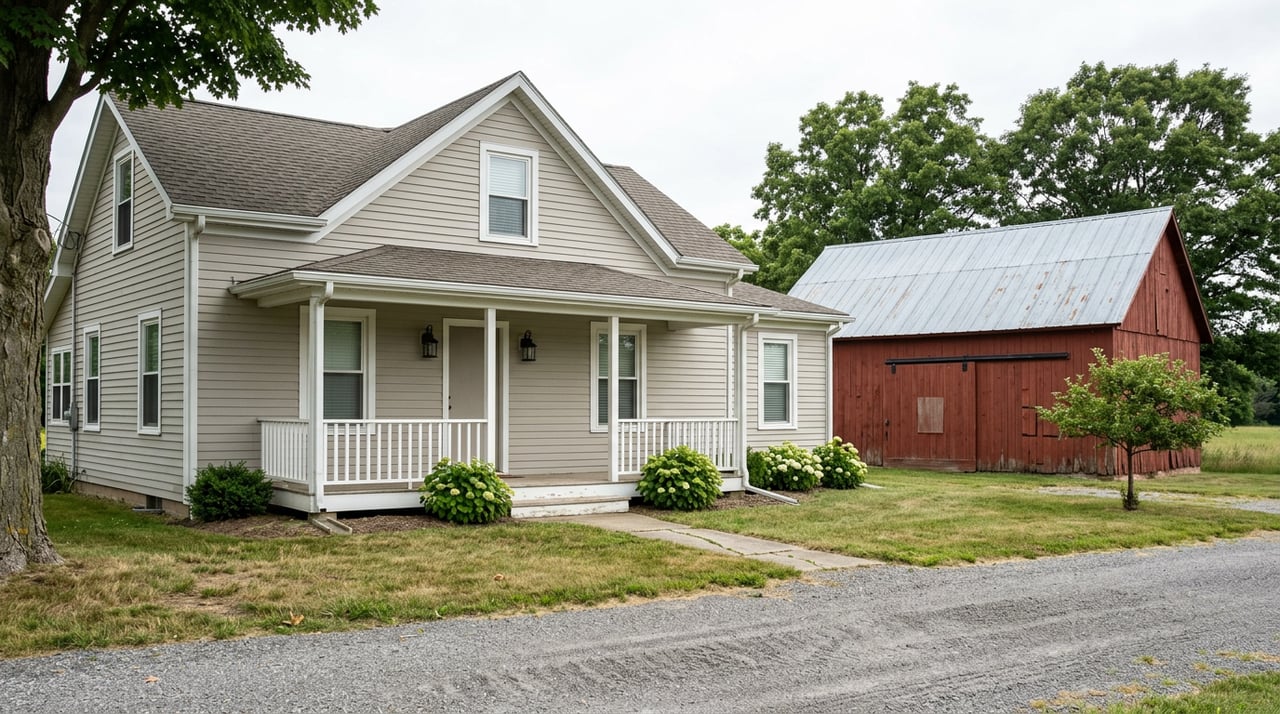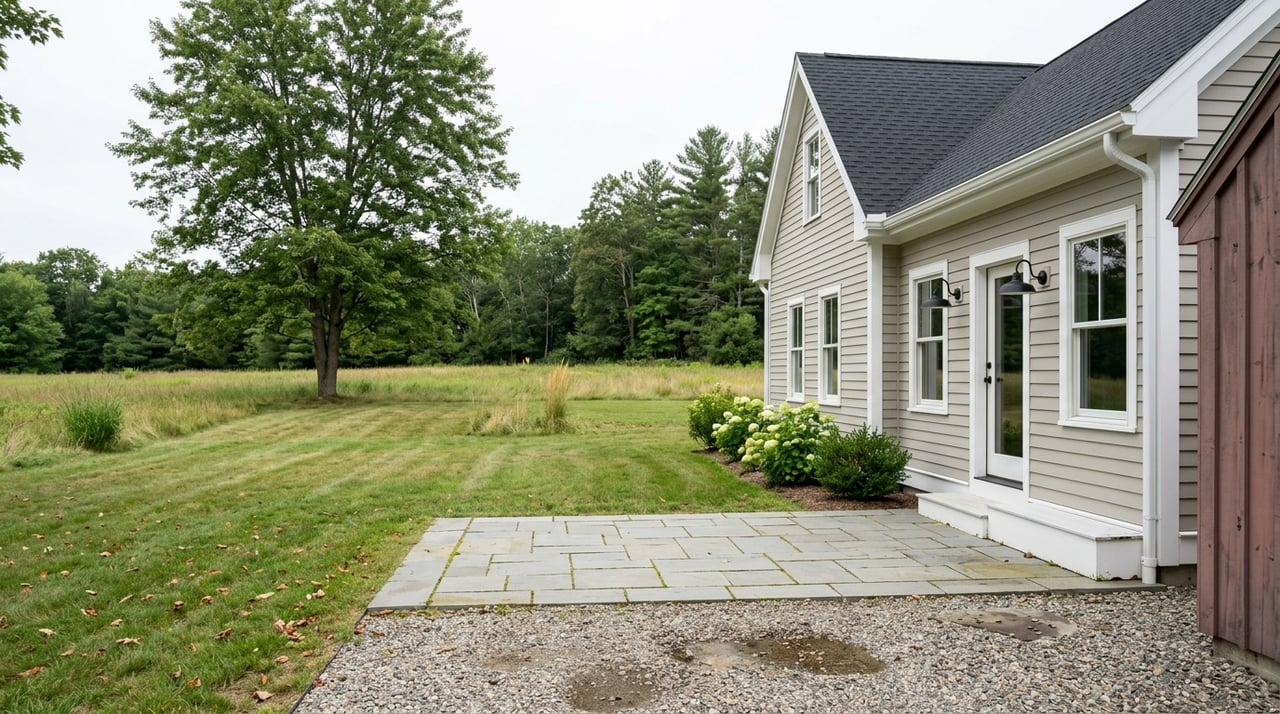
If you are pricing a home with acreage in Ravena-Selkirk, the land can be the hardest part to value and the easiest part to misread. A few extra acres do not automatically add a fixed dollar amount, especially in a small rural market where parcel shape, usable land, zoning, flood exposure, and outbuildings can all shift the number. The good news is that with the right records and the right comparable sales, you can price your property more accurately and explain that price with confidence. Let’s dive in.
Why acreage pricing is different
A house on a standard village lot is usually easier to compare than a home with fields, woods, barns, or river-adjacent land. In Ravena and the surrounding Coeymans area, two properties with the same total acreage can have very different value depending on how that land can actually be used.
That matters because countywide numbers only give you background. Albany County market data from Redfin shows an active market, but acreage listings are not best priced from a county median alone. In a small market like Ravena, where recent local sales counts are limited, pricing needs to come from property-specific comparisons.
Start with the property, not the acreage total
The biggest pricing mistake sellers make is treating every acre the same. In reality, market value usually comes from the combined contribution of the house, homesite, open land, woods, outbuildings, access, and legal rights tied to the parcel.
New York valuation guidance explains that market value is what a willing buyer would pay a willing seller, and for residential property and vacant land, the sales comparison approach is generally preferred. That means your price should be built from similar sales, with adjustments for the features that make your property unique.
What buyers in Ravena-Selkirk notice
In the Ravena-Selkirk area, buyers often respond to practical lifestyle value more than raw acreage. Privacy, room for a workshop or barn, garden space, hobby-farm potential, woodland recreation, and in some cases river proximity can all shape demand.
Regional land research from Cornell and ASFMRA shows wide price ranges depending on land type, from recreational land to cropland to residential lots. The same report notes that many buyers in higher-demand areas are looking for estate-farm style properties, which is why a mixed-use parcel with open ground and woods may attract a different buyer than a basic house lot. You can review that broader context in the 2024 Capital Region land value report.
Key factors that affect value
Usable land matters most
Not every acre contributes equally to value. Some acreage may be open and functional, while some may be steep, wet, wooded, or harder to access.
The Town of Coeymans planning documents note that vacant land can be affected by surface water, wetlands, floodplains, and steep slopes. That is one reason pricing should focus on usable acreage, not just total acreage.
Zoning shapes the buyer pool
Zoning can affect what a buyer believes the property can support now and in the future. In Coeymans, the R-A district is the town’s largest zoning district and allows uses such as single- and two-family homes, general farming, market gardening, reforestation, recreation, and riding academies, with some uses subject to review under the town’s rules.
Because zoning can directly influence market appeal, it helps to confirm your parcel details before listing. The town has also continued updating local laws, so current zoning information matters when you are building a pricing strategy.
Outbuildings add value when documented
A barn, garage, shed, or workshop can be a strong selling point, but only if it is useful, legal, and in good condition. Buyers and appraisers will care about condition, size, utility, and whether the structure appears to be properly permitted.
The Town of Coeymans Building Department publishes permit information and fee schedules for structures such as garages and sheds. That is a good reminder to gather permit history and building details before assuming an outbuilding adds full value.
Flood risk can change pricing
River-adjacent or creek-adjacent land may offer appeal, but it can also carry risk. The town planning documents identify 100-year floodplain areas tied to the Hudson River, Coeymans Creek, and Hannacroix Creek.
FEMA states that official flood maps are the right place to check flood hazard areas. If a home is in a high-risk flood area and financed with a federally backed mortgage, flood insurance may be required, which can affect both buyer demand and monthly ownership costs.
How comparable sales should be chosen
With acreage homes, the best comparable sales are rarely just the closest three houses on the map. A more accurate set usually starts with the same broad property type, then adjusts for details like:
- Total acreage and usable acreage
- Open land versus woods
- Topography and drainage
- Road frontage and access
- Utilities and homesite quality
- Barns, sheds, or other improvements
- Zoning and permitted uses
- Flood exposure
New York’s valuation standards make clear that comparable sales can come from the broader market area, not only the same municipality. For a Ravena acreage property, that can mean looking beyond a very small immediate sample and pulling from similar rural parts of Albany County when local sales are thin.
Verify parcel facts before setting a price
In a rural listing, one wrong acreage number or one vague claim about land use can create confusion fast. That is why public parcel records are such an important starting point.
Albany County’s digital tax maps help verify parcel size, boundaries, and dimensions, and the county explains that these maps are used to locate parcels and support assessment work. For sellers, the practical lesson is simple: verify acreage from public records rather than relying only on old listing remarks or memory.
Agricultural use and tax status
If your land is currently used for farming, agricultural assessment rules may also be part of the conversation. New York’s agricultural assessment program has specific eligibility standards tied to acreage, use, and sales activity, and up to 50 acres of farm woodland may also qualify under certain rules.
It is important to keep one point clear: the state’s agricultural assessment figures are tax tools, not market values. The New York agricultural assessment overview can help clarify the difference, which matters when sellers assume a tax-related land value is the same as resale value.
A simple way to think about pricing
For most Ravena-Selkirk homes with acreage, the best pricing logic looks something like this:
- Start with the home and homesite.
- Measure the value contribution of additional land.
- Separate usable land from constrained land.
- Account for barns, garages, and other improvements.
- Adjust for zoning, access, and flood considerations.
- Compare to similar rural sales, not just nearby addresses.
This is why acreage pricing is better understood as contributory value than a flat per-acre formula. One parcel may have a strong homesite, attractive open ground, and a documented barn, while another may have the same total acreage but limited utility.
What to gather before listing
If you want the strongest pricing strategy, organize the records that explain your property clearly. In a smaller market, strong documentation can help prevent overpricing, underpricing, and buyer hesitation.
Before listing, try to gather:
- Parcel maps and tax map references
- Basic zoning confirmation
- Permit history for barns, garages, and sheds
- Flood-zone information
- Agricultural assessment paperwork, if applicable
- Notes on access, frontage, and utility service
Those details help tell the full story of what your property offers. They also make it easier to support your asking price with plain-English explanations buyers can understand.
Why expert pricing matters here
Ravena-Selkirk acreage properties often sit in a narrow slice of the market. Sales can be limited, online estimates can miss the land mix, and buyers may view the same parcel very differently depending on whether they want privacy, recreation, a hobby farm setup, or room for outbuildings.
That is where careful rural-property analysis matters. When you price a property based on verified parcel data, realistic comparable sales, and the actual utility of the land, you give yourself a better chance of attracting the right buyers without leaving money on the table.
If you are thinking about selling a Ravena-Selkirk home with acreage, Elizabeth Ellers can help you sort through the land details, explain what buyers are likely to value, and build a pricing strategy grounded in the realities of the rural market.
FAQs
How should you price a Ravena-Selkirk home with acreage?
- You should price it using comparable rural sales and adjustments for usable land, outbuildings, access, zoning, and flood risk rather than using a flat price-per-acre formula.
Why is total acreage not enough when valuing a Ravena property?
- Total acreage alone does not show how much land is open, buildable, accessible, or otherwise useful, and those differences can change market value significantly.
Where can you verify parcel size for a Ravena-Selkirk acreage property?
- You can start with Albany County’s digital tax maps and local assessor resources to confirm parcel boundaries, dimensions, and recorded acreage.
Do barns and sheds add value to a Coeymans area property?
- They can add value when they are useful, in good condition, and properly documented, but buyers may discount them if permit history or condition is unclear.
How does flood-zone status affect pricing for acreage near the Hudson River or local creeks?
- Flood-zone status can affect buyer demand, insurance requirements, and monthly ownership costs, so it should be reviewed carefully when setting a price.
Can agricultural assessment values be used as market value for Ravena land?
- No, agricultural assessment figures are used for tax purposes and should not be treated as the same thing as open-market resale value.