Thinking about a few acres where you can garden, keep chickens, or board a couple of horses without getting overwhelmed? A small hobby farm in the Ravena–Selkirk corridor can deliver that country feel with quick access to Albany. The trick is matching your plans to the right property and understanding the local rules that shape what you can do. In this guide, you’ll learn how to evaluate land, water, septic, soils, and nearby uses specific to Ravena and Selkirk, plus the steps to write a strong, protected offer. Let’s dive in.
Know your map and zoning first
Before you fall in love with a barn or view, confirm where the parcel sits. Ravena is a village within the Town of Coeymans, while Selkirk is a hamlet within the Town of Bethlehem. Rules can differ block to block.
- Start by confirming jurisdiction and permits with the Village of Ravena.
- In Coeymans, large areas carry Residential and Agricultural zoning. Review the town’s code to see what uses are allowed and whether you need a special permit. The code is available on eCode360.
- In Selkirk, Bethlehem has been updating its zoning. Check the town’s current designations and recent changes on the Town of Bethlehem zoning update page.
Zoning affects things like small livestock, accessory structures, and home occupations. Read the schedule for your zoning district and call the building department with questions before you write an offer.
Evaluate the land and buildings
Outbuildings and field layout
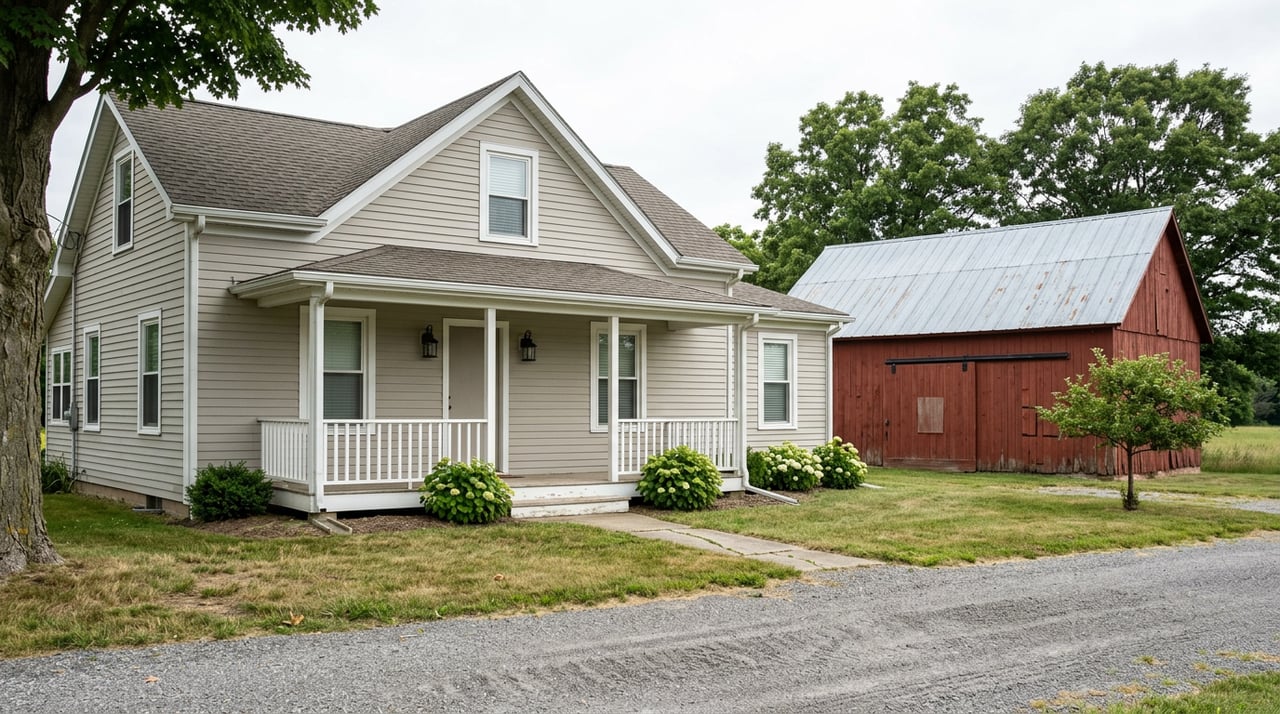
Walk every building and field with your intended use in mind. Look at roofs, framing, floors, ventilation, electrical service to barns, and water lines to outbuildings. Note paddock size and shape, drainage patterns, and fencing condition. South-facing, well-drained spots make garden and small-livestock chores easier.
For practical, small-farm planning support, Cornell Cooperative Extension’s Albany County team offers accessible guides and local expertise. Browse their gardening and small-scale resources for ideas on layout, soils, and seasonal care.
Water: public supply or private well
Confirm whether the property uses village water or a private well. Ask for recent water bills and any well logs. If it is a private well, make testing part of your offer. At a minimum, test for total coliform and E. coli, nitrate, pH and basic chemistry. In this region, many buyers also screen for lead, iron, manganese, and PFAS based on state guidance. The New York State Department of Health outlines private well best practices in this well testing fact sheet.
Keep copies of lab certificates. Ask the Albany County Department of Health if there is a recorded completion report for the well or other available records. County environmental health forms and contacts are listed on the Albany County Department of Health site.
Septic and onsite wastewater
Find out if the parcel is on public sewer or an onsite system. If it has a septic or cesspool, request pump records, system age and type, tank capacity, drainfield location, and any as-built plans. A marginal or failing septic is a high-cost item, so plan for a professional inspection with the tank opened.
Design and replacement require county approval. Albany County provides guidance and construction or inspection forms on the environmental health page. New York also funds septic replacements in many areas through the State Septic System Replacement Fund. Ask the county whether your location is eligible and what documentation they require.
Soils, drainage, and pasture potential
Use the NRCS Web Soil Survey to screen mapped soil types, drainage, slope, and potential wet spots. This helps you anticipate pasture performance and whether soils might limit a future septic location. Start with the NRCS Web Soil Survey, then plan on-site soil probing and, if needed, a percolation test. Mapping is a guide, not a substitute for field work.
If you plan gardens, paddocks, or hay, pay attention to topsoil depth, drainage, and stoniness. Some upland areas include shallow or rocky soils that make intensive cultivation difficult. A local Soil and Water Conservation District or NRCS conservationist can help you assess and plan improvements.
Wetlands, streams, and flood risk
Screen for mapped wetlands and flood zones early, since these can limit building sites, fencing, and septic locations. Check the FEMA Flood Map Service Center to see if the property lies in a Special Flood Hazard Area. Use state and federal mappers for wetlands screening and consider a formal wetland delineation if maps or soils suggest a wet area near your planned improvements.
If a mapped floodplain or wetland touches your likely building or paddock sites, build more time into due diligence for surveys and approvals. This can be managed, but it takes planning.
Access, utilities, and services
Confirm road access type, driveway easements, and winter maintenance. Check the electrical service size if you plan to heat a barn, run equipment, or add freezers. If you work from home, evaluate internet service. For new electrical service or upgrades, the building department will guide permits and inspections.
Neighbors, nuisances, and industrial adjacency
The Ravena–Coeymans stretch of the Hudson includes residential, small farms, and active industrial and port operations. If you are near the river or the industrial park, do extra environmental diligence. Local advocacy reporting summarizes concerns about truck traffic, dust, and air or water topics around the port area. To understand the context, review background materials on the Port of Coeymans expansion, then evaluate your specific address.
If you are very close to an industrial yard or heavy trucking corridor, consider an environmental records search and, if appropriate, an environmental professional’s screening.
Your due diligence timeline
Use this step-by-step sequence to focus your time and protect your budget.
Pre-offer screens
- Confirm jurisdiction, zoning district, and any obvious use limits. Start with the Village of Ravena or the relevant town office.
- Run a quick FEMA flood map search by address using the FEMA Flood Map Service Center. If the parcel lies in a Special Flood Hazard Area, plan for insurance and elevation considerations.
- Check soils on the NRCS Web Soil Survey. Flag very poorly drained or hydric soils for extra caution.
- If you are near the waterfront or industrial park, plan for an environmental records check and talk to your attorney about next steps.
Offer and escrow contingencies
- Water testing for private wells: bacteriological test, nitrate, pH, and basic metals. Consider lead and PFAS as relevant to your location. Use the NYS DOH guidance as your checklist.
- Septic system: request a pump-and-inspect with the system opened by a qualified inspector. Coordinate County Department of Health forms and approvals through the Albany County Department of Health.
- Soils and perc: plan in-field soil probing and a percolation test if you need to confirm a septic area or if mapping suggests limitations.
- Buildings: get a full home inspection plus a structural review of large barns or complex outbuildings. Verify building permits for any converted spaces.
- Survey: order a boundary and, if needed, a topographic survey to confirm setbacks, fence lines, and suitable building or paddock sites.
- Wetlands: if screening maps or site conditions suggest wetlands near your plans, engage a qualified ecologist for a delineation.
- Environmental screening: if you are adjacent to former industrial or heavy commercial uses, talk to your attorney about a Phase I Environmental Site Assessment.
During due diligence
- Agricultural Districts: ask if the parcel is enrolled in a NYS Agricultural District and whether it receives an agricultural assessment. Enrollment can provide certain right-to-farm protections, and agricultural assessment can reduce taxes if you qualify. Learn the basics from NYS Department of Agriculture and Markets, then confirm details with the local assessor.
- Tax and documentation: ask the assessor what proof they need for an agricultural assessment. Keep copies of soil worksheets, receipts, and any farm income documentation if you plan to apply.
- Permit history: confirm building and zoning permit histories for all structures, especially if a barn was converted to living space or if sheds and paddocks were added without records.
Pros and tradeoffs in Ravena–Selkirk
Every hobby farm location balances access, costs, and land constraints. Here is how this corridor stacks up for many buyers.
What many buyers like
- You are close to Albany markets for supplies and direct-to-consumer sales, which supports small enterprises and weekend farmstands.
- You have local technical support from the Soil and Water Conservation District and Cornell Cooperative Extension for soils, pasture planning, and garden issues. CCE’s Albany County resources are a great starting point.
- Parts of Coeymans and Bethlehem still include residential-agricultural zoning that supports small-scale farm uses when you follow local rules.
Tradeoffs to weigh
- Parcels near the riverfront or industrial park can experience heavier truck traffic and occasional dust. If you want a very quiet setting or expect to host agritourism customers, evaluate drive-by conditions at different times of day. The port area context covered on Clean Air Albany County is useful background as you assess a specific address.
- Riparian floodplains and mapped wetlands may limit how much of your acreage is immediately usable and can constrain septic siting. Build time and budget for surveys and approvals if needed.
The bottom line is simple. Ravena–Selkirk can be a great fit for a small homestead if the land, water, soils, and surrounding uses match your plans. Careful screening will save you time and protect your budget.
Local contacts that save time
- Village of Ravena building, planning, and code offices for parcels inside the village limits.
- Town of Coeymans planning and zoning for parcels in the town, including R-A district questions and permitted uses.
- Town of Bethlehem planning and zoning for Selkirk addresses.
- Albany County Department of Health for private wells and onsite wastewater permits and forms.
- Albany County Soil and Water Conservation District and your NRCS district conservationist for soils, erosion control, and pasture planning.
- Cornell Cooperative Extension of Albany County for practical small-scale farm and garden resources.
Ready to find your hobby farm?
With a clear plan and the right checks, you can buy with confidence and enjoy your land from day one. If you want a second set of eyes on soils, water, and zoning before you offer, reach out. As a rural property specialist, I help you translate technical details into smart decisions and smooth closings. Start your search with Elizabeth Ellers and get a plan tailored to your goals.
FAQs
What should I check first when buying a hobby farm in Ravena–Selkirk?
- Confirm jurisdiction and zoning, screen flood maps and soils online, then plan well, septic, and building inspections in your offer.
How do I know if a property has public water or a private well?
- Ask for recent water bills and well logs, then verify with the municipality or county; if it is a well, follow NYS DOH guidance for baseline water testing before closing.
What septic documents should I request from the seller?
- Get pump records, system age and type, tank capacity, drainfield location, and any as-built plans, and include a professional inspection contingency with the tank opened.
How can soils affect my garden, pasture, or future septic?
- Use NRCS Web Soil Survey to screen drainage and slope, then rely on on-site soil probing and percolation testing to confirm suitability for gardens, paddocks, and septic areas.
Are wetlands and floodplains a dealbreaker for small farms?
- Not necessarily, but they can limit where you build or place a drainfield, so screen FEMA flood maps and wetland layers early and budget time for surveys or delineation if needed.
Can I keep chickens, goats, or a small horse in Ravena–Selkirk?
- It depends on your zoning district and local rules, so read the district schedule and call the building department to confirm allowed uses and any special permits.
Should I worry about nearby industrial or port activity?
- If you are close to the riverfront or port area, include environmental due diligence and visit at different times of day to gauge truck traffic, dust, and general conditions.